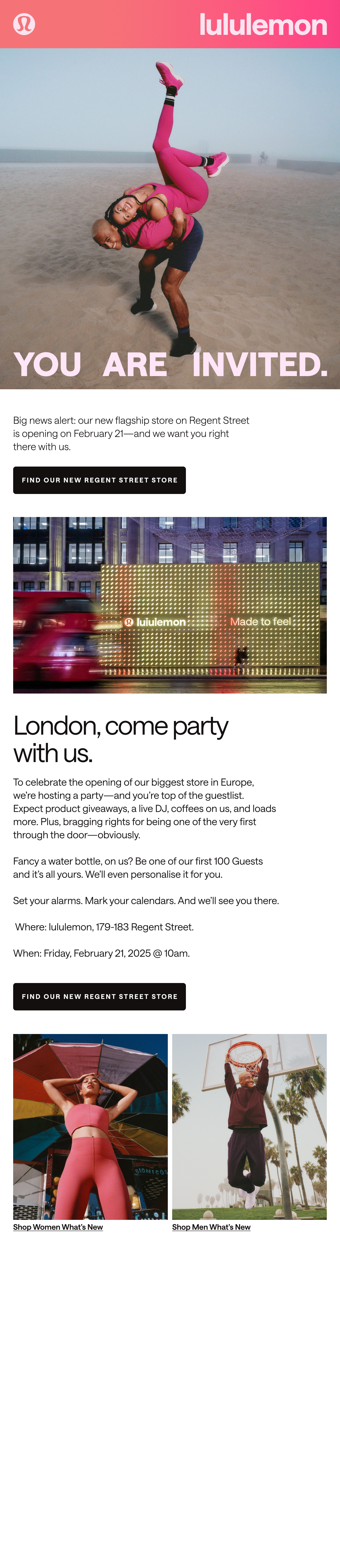
Lululemon - No Holding Back
We bring creativity and expertise to everything we do.
Here, creativity meets opportunity. Whatever you're building, we're here to help you take the first step with confidence.
Social Posts
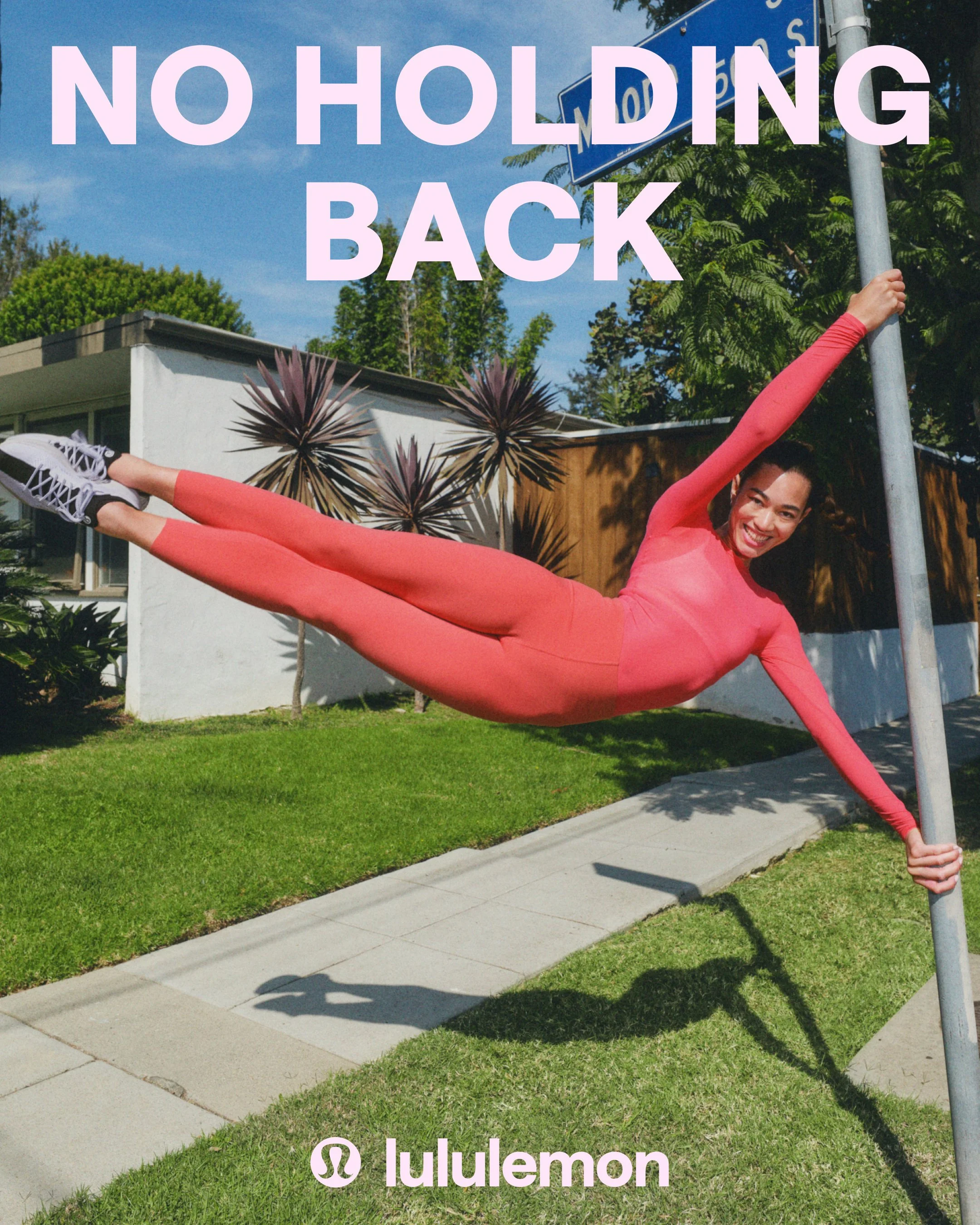
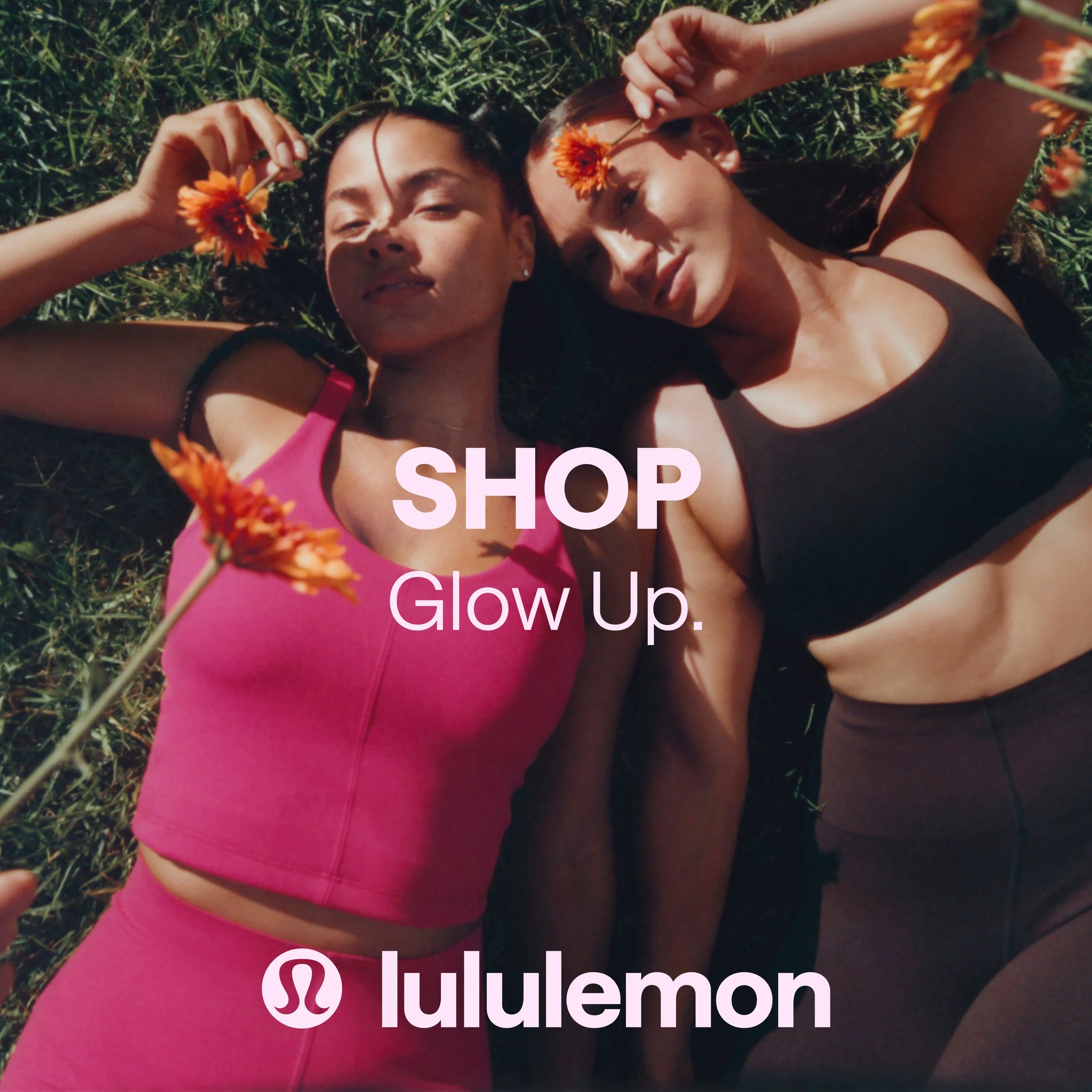
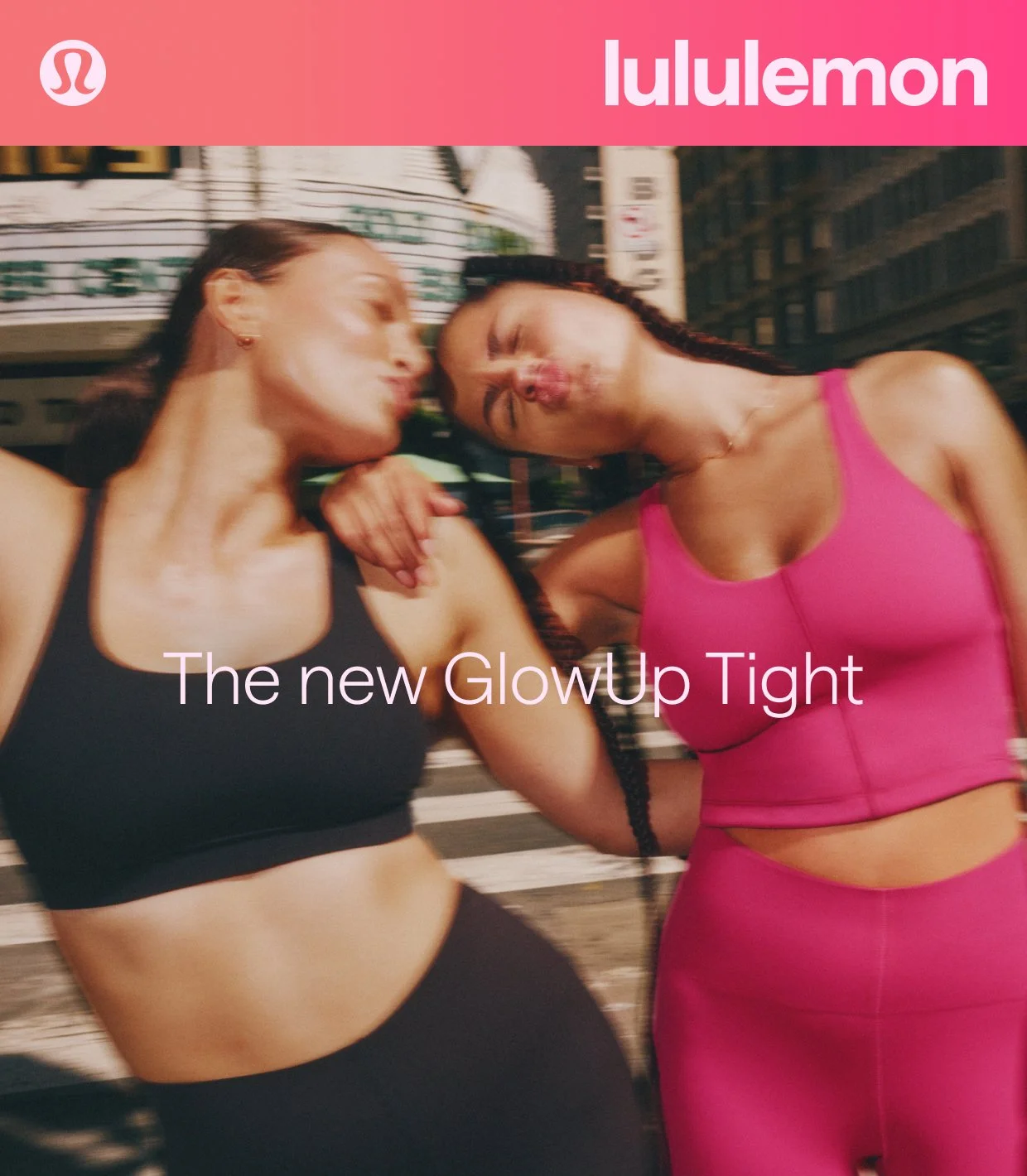
As part of my collaboration with Lululemon, I worked on a series of email campaigns aimed at boosting customer engagement, increasing site traffic, and promoting new product lines. Each email was carefully crafted to align with Lululemon’s sleek brand identity while encouraging click-throughs and conversions. These campaigns were designed with a clean visual structure, compelling copy, and strong calls to action that guided customers towards collections, limited-time offers, and curated recommendations based on performance and lifestyle needs.
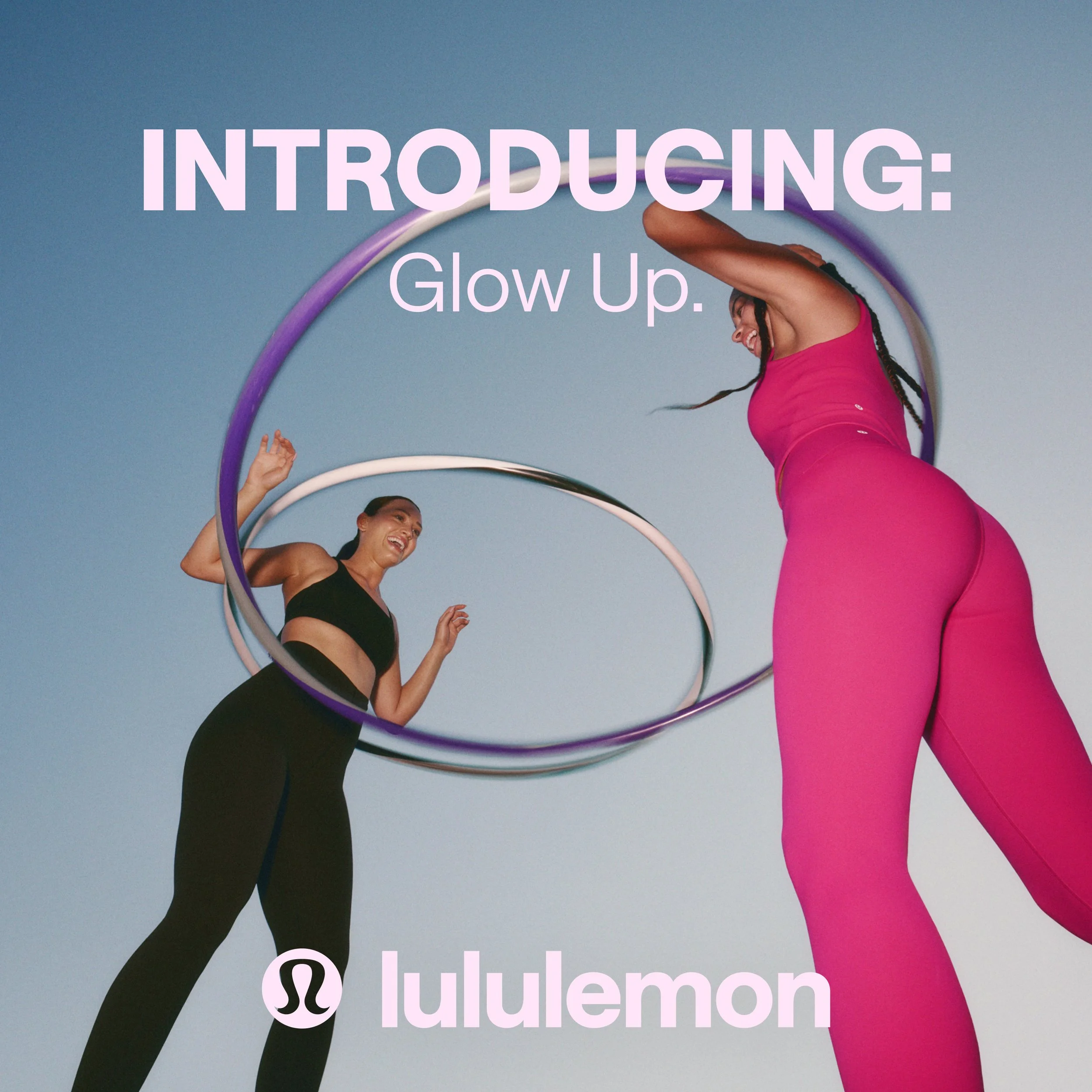



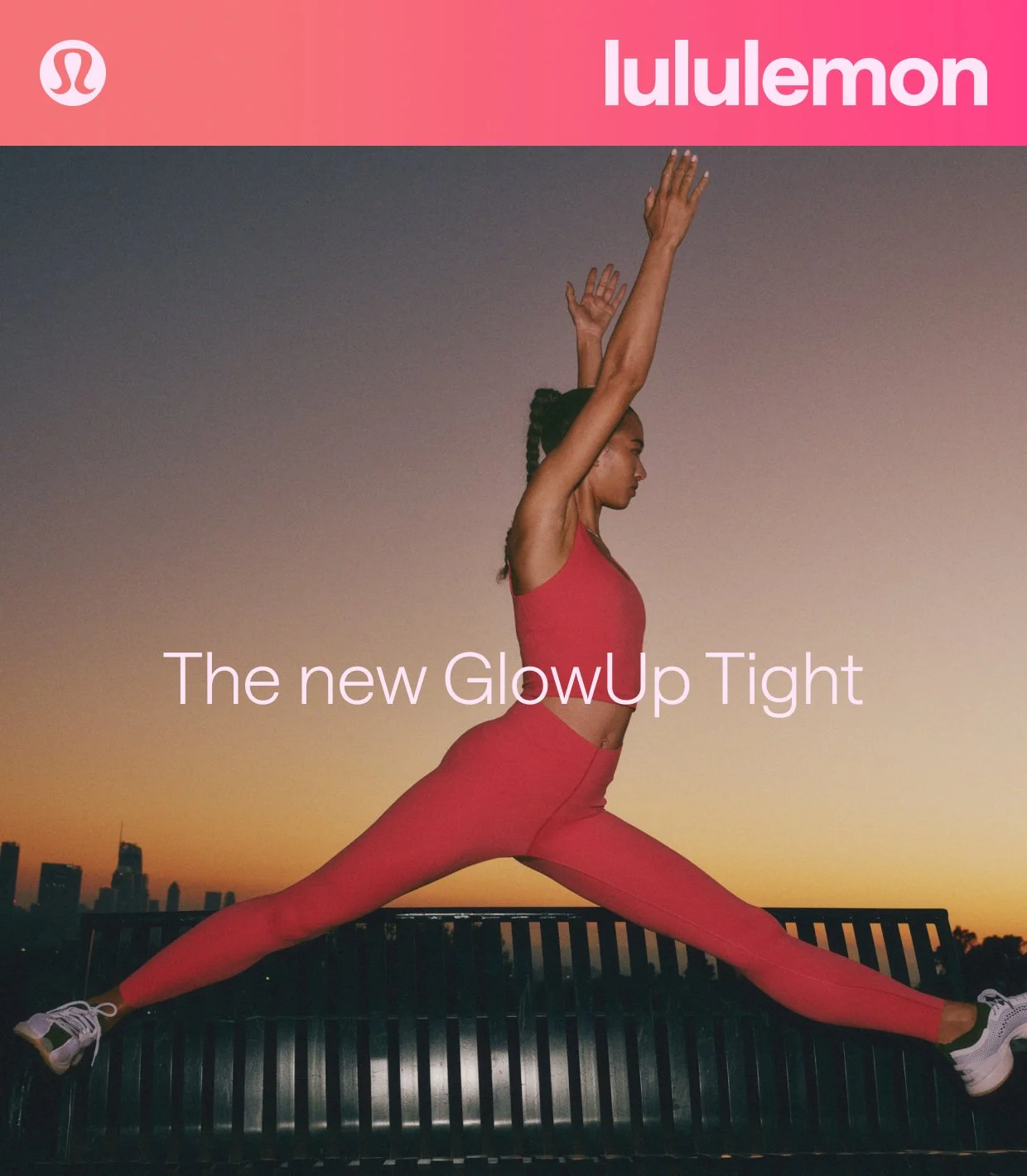


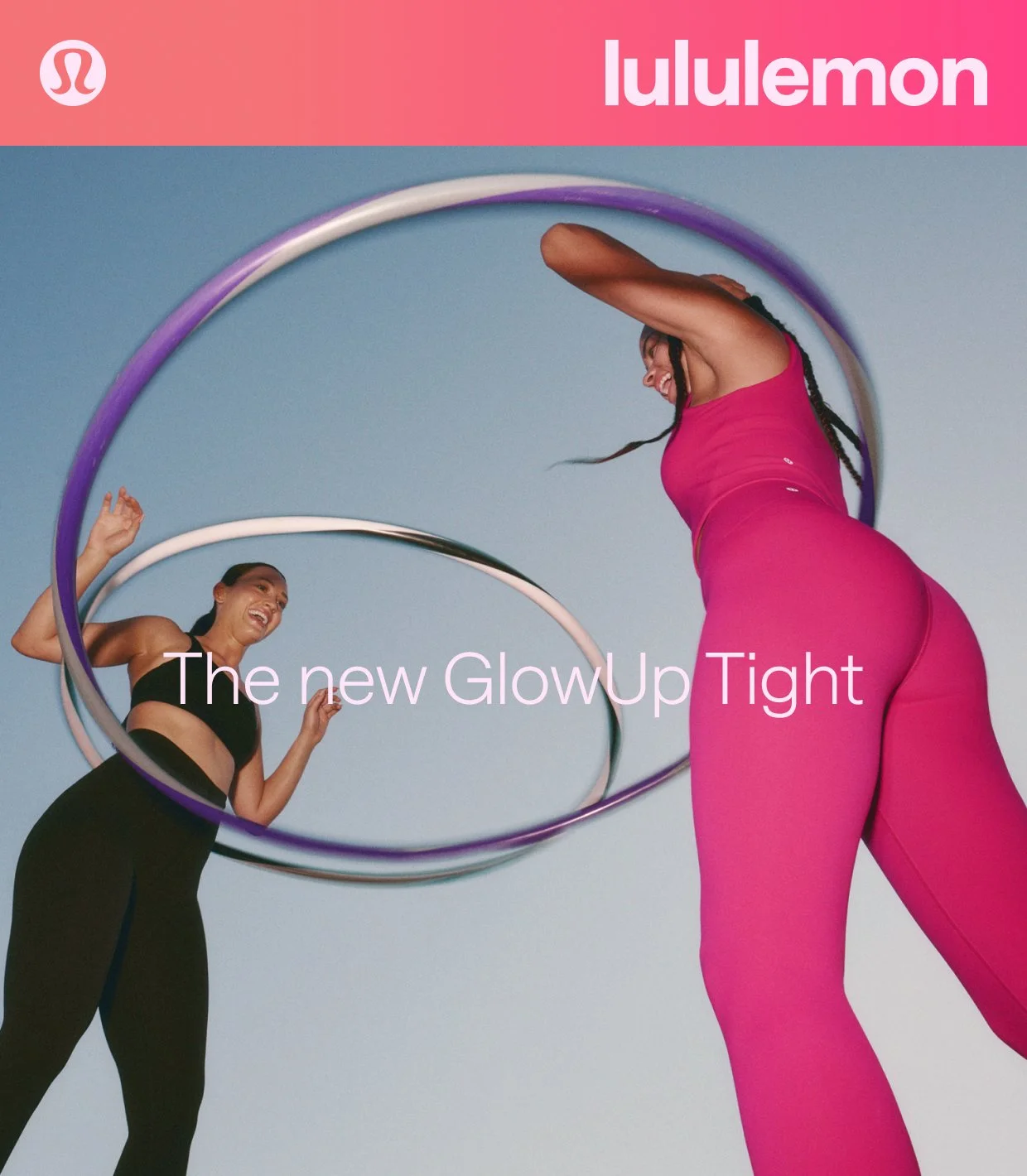

Affiliate Banners
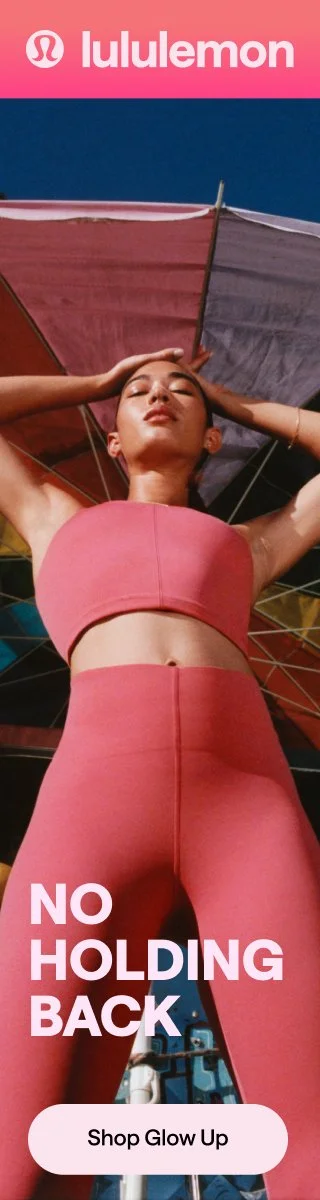
10 years ago, lululemon started the yoga tight revolution with the Align™ Pant. Today, you’ve stretched your own limits in Align™ and taken it beyond what anyone imagined. What's next is going to be legendary.
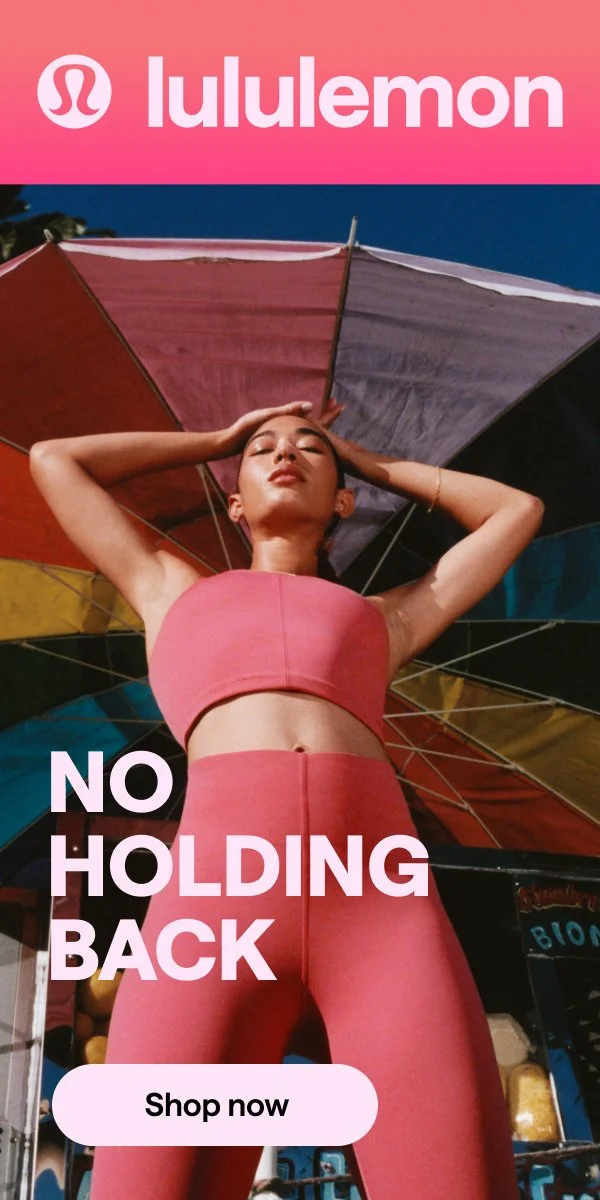

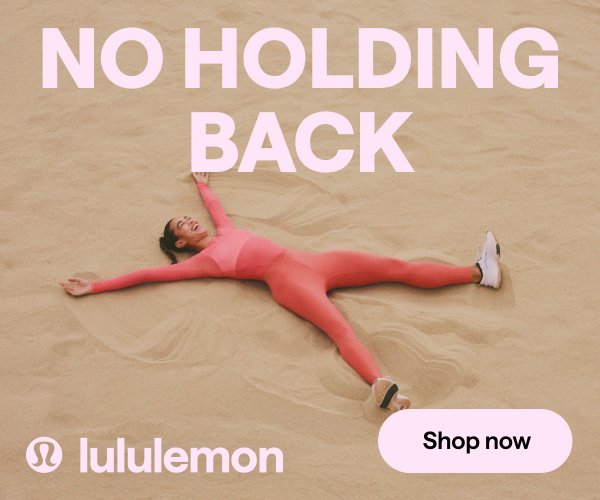
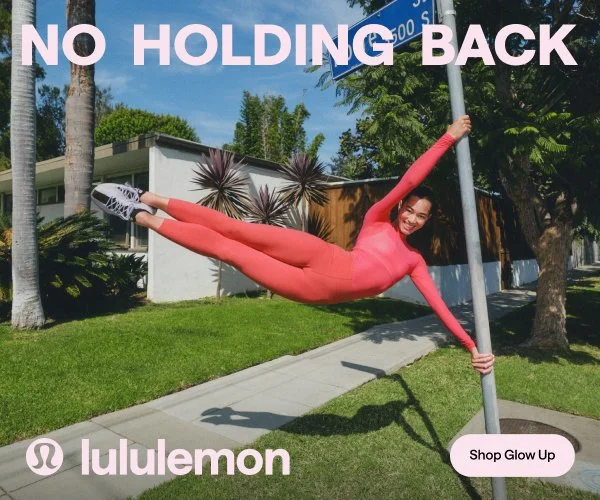
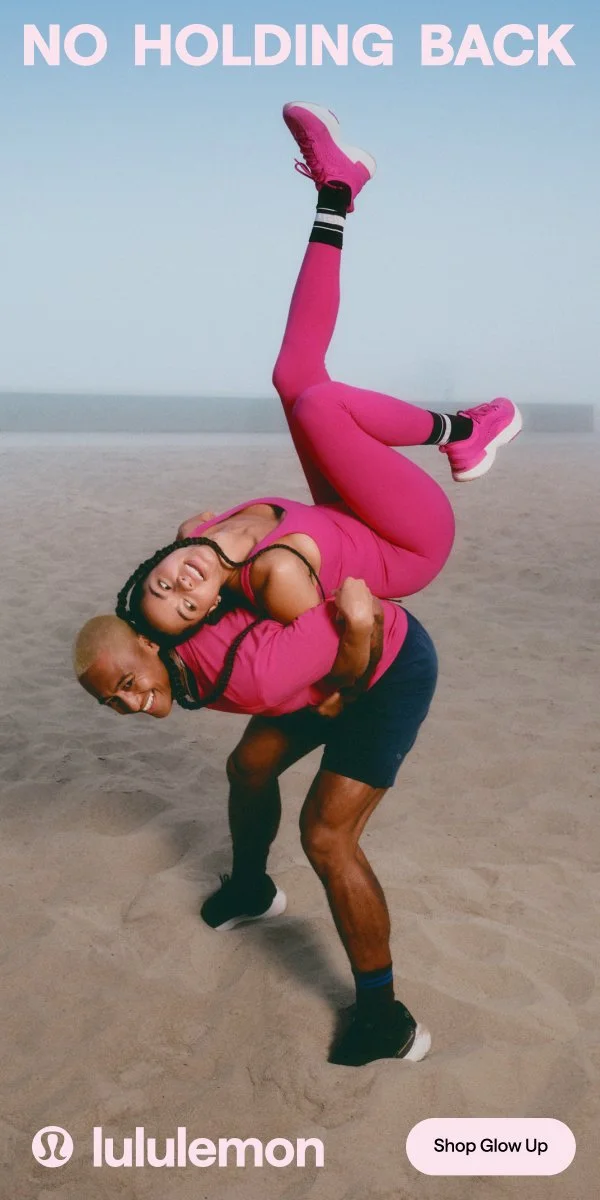



Lululemon History.
Founded in 1998 in Vancouver, Lululemon started as a design studio by day and yoga studio by night. It quickly evolved into a premium athletic apparel brand, known for its focus on functionality, comfort, and mindful movement. The brand continues to inspire communities with its commitment to innovation and performance, offering gear that supports everyone from casual gym-goers to elite athletes. Lululemon’s dedication to both style and utility is what sets it apart in the activewear space—and it's this balance we reflected in every email campaign.


Lululemon Weekly Emails
The weekly email drops were an essential touchpoint with customers, maintaining a rhythm of fresh, relevant content. These emails served as mini lookbooks and brand updates—featuring new arrivals, seasonal collections, training tips, and limited-edition collaborations. Working closely with Lululemon’s digital and brand teams, I ensured the design and tone remained consistent while adapting the structure to accommodate different promotions. These emails were not only informative but strategically designed to build community and encourage repeat visits.